A decorated tree, a few handwritten notes, and a quiet collection of hopes left behind by strangers. Not about celebration, belief, or culture — just a brief glimpse of what people choose to write when given a moment, a pen, and no expectations.

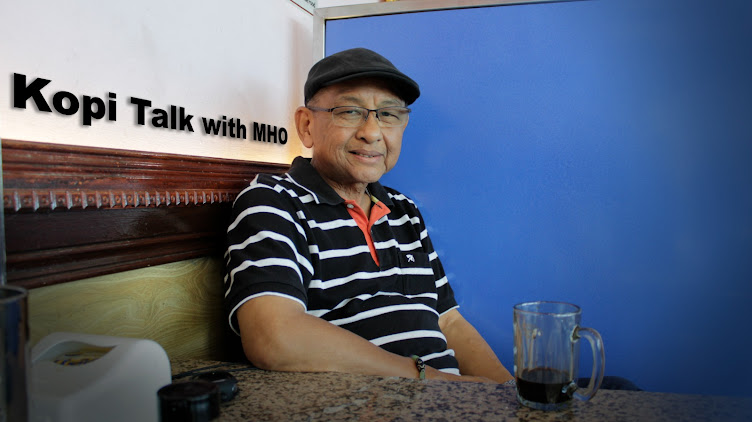
KopiTalk with MHO

I wasn't planning to stop. It was just another decorated tree in a nearby town—lights blinking casually, ribbons looping where they usually do, ornaments doing their usual thing.
Then I spotted the notes. Small cards tied with thin strings, handwritten, all over the place, and deeply personal. The tree, it seemed, had taken on a second role. Not just decoration, but a listener.
This isn’t about the festival, though. It’s about what people choose to write when they get a little piece of paper and some anonymity.
The handwriting told its own story. Some letters were neat and rounded, almost practised.
Others were rushed, squeezed into the space as if the writer feared the thought would slip away before the pen could catch up. There was no uniform style. No single tone. Just a mix of wishes hanging out together, like a collage of lives passing by.
The wishes themselves were surprisingly ordinary. People wished for passing school exams more than once, reminding us that academic anxiety doesn’t care about the holidays. No matter how festive it gets, results day still looms with the same seriousness. A tree might sparkle, but an exam timetable never does.
Money came up too - not in a greedy way, just a quiet hope for “better” and “enough.” No grand dreams of sudden wealth. Just the kind of wish folks make when life feels tight, and the calendar rushes ahead of their bank balance.

Many of the notes had a youthful vibe. The handwriting, the spelling, the honesty - all pointed to younger voices. Gen Z, maybe even Gen Alpha.
They seem less interested in polish and more focused on saying what’s on their minds before the moment passes. This generation is comfortable expressing their thoughts in public spaces, even temporary ones, without making a big deal about it.
One note had a polite greeting, followed by a self-aware boundary—cheerful, courteous, and a bit cheeky all at once. It felt like something said with a smile and raised eyebrows, acknowledging differences without turning it into a debate. It wasn’t defiance or mockery; it was just someone being themselves, honestly and lightly.

Another note shared a brief declaration of faith, signed off with a place name—quiet “from here,” rather than a loud “listen to me.” It didn’t explain or argue; it just existed. In borrowed spaces, people sometimes leave small markers of who they are, not as statements, but as footprints.
What struck me most was what wasn’t there. No preaching. No persuasion. No attempts to correct or convince. Just sentences written as they came, imperfect grammar included, because sincerity rarely waits for proofreading.
Then there was a note that changed the mood completely. It wished for a better parent and a little more comfort in life. No humour. No decorations in the words. Just a simple line that felt heavier than the rest. In a season known for cheer, that note quietly reminded me that not every wish is festive. Some are survival notes, left in public spaces because private ones have nowhere left to go.
That’s when it hit me what the tree had really become. Not a symbol or a statement, but a temporary noticeboard of human honesty.
Festive seasons have a way of loosening people up. They create pauses—moments when routine breaks just enough for reflection to slip through. In those pauses, people write what they might not say out loud. Sometimes it’s light, sometimes funny, and sometimes unexpectedly raw.
What hung from that tree wasn’t a single message, but many. They contradicted each other, sitting side by side without conflict. Faith beside humour. Exams besides money. Playful notes beside painful ones. And somehow, none of them cancelled each other out.
Maybe that’s the quiet continuity worth noticing. Different generations use different words, tones, even spellings—but the wishes themselves don’t change much. To pass. To cope. To be understood. To have things turn out a little better than they are now. The handwriting might evolve, the medium might shift, but the human instinct to leave a small hope behind stays the same.
Not everything hung on a festive tree is about the festival. Some are just reminders that, across ages and seasons, people continue to do what they’ve always done—finding a moment, finding a surface, and leaving behind a piece of themselves before moving on.
As we step into 2026, we may all carry some version of these small hopes with us, written or unwritten, into the year ahead. (MHO/12/2026)

.jpeg)
No comments:
Post a Comment