Monday, October 6, 2025

The Battle Within: Understanding Tasawuf and the Journey to a Peaceful Heart


How controlling our inner desires can lead to real happiness, balance, and peace of mind.


By Malai Hassan Othman

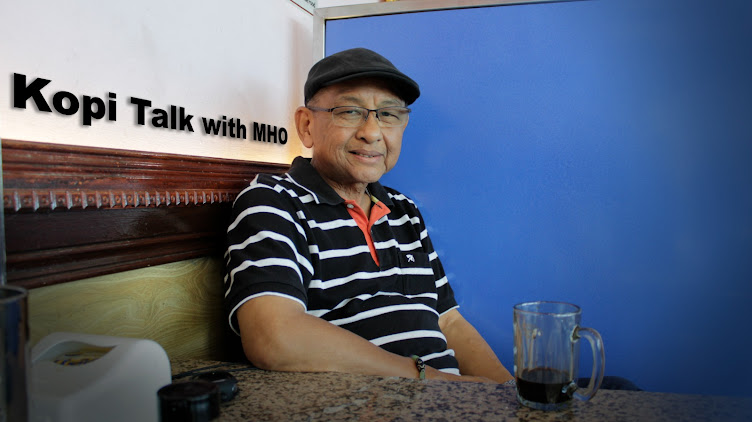
KopiTalk with MHO

In a nutshell...

In today’s fast-paced world, many of us struggle to stay calm. We face stress at work, tension at home, and restlessness in our hearts. We buy things we don’t need, chase approval from others, and still feel something is missing.

Every human being carries four main elements: the heart (hati), the mind (akal), the spirit (roh), and the desire (nafsu). Imagine them as layers in a pyramid.

This inner tug-of-war is what scholars call Mujahadah — the battle against our own self. It’s not about fighting others; it’s about fighting the ego inside that whispers, “You deserve more,” or “Don’t forgive.”

Islamic scholars describe seven stages of the human soul, from the lowest to the highest:

Tasawuf describes a three-step process to cleanse the heart, known as Takhalli, Tahalli, and Tajalli — or simply, the 3T formula.

Mental health experts today discuss mindfulness and emotional regulation — but these are not new concepts. Tasawuf has taught them for centuries. When the nafsu is untrained, life feels like a storm — full of noise and confusion. But when the heart leads, even silence feels comforting.

A calm heart brings peace to a family. Peaceful families create peaceful communities. And when people learn to tame their egos, society itself becomes more compassionate and just. That is why Tasawuf is not just about individual spirituality — it’s about social harmony.

Tasawuf is not a mysterious philosophy reserved for scholars. It’s a practical guide for anyone who seeks peace — the worker facing stress, the parent feeling overwhelmed, the youth searching for purpose.

Introduction

Islam teaches us that this emptiness isn’t caused by a lack of success — it’s caused by a restless soul. And to heal the soul, we must turn to Tasawuf — the inner dimension of Islam that helps us purify our hearts, discipline our desires, and reconnect with our Creator.

The Layers Inside Us

At the base is nafsu — the part that always wants something: money, power, attention, or pleasure. Above that lies the ruh, the akal, and finally, the hati, which sits at the top — the seat of wisdom and divine light.


When our nafsu controls us, we become selfish, reactive, and anxious. But when the heart and mind take charge, we find peace and clarity. Tasawuf is about restoring that balance — letting the heart lead and the desires follow.

The Struggle Within

The next step is Riyadah, a form of spiritual training. Just like we exercise our bodies, we must also train our souls — through prayer, fasting, patience, and remembrance. Over time, this spiritual training softens the heart, just like consistent polishing makes a mirror shine.

The Seven Levels of the Soul

1. Amarah – the commanding self that pushes toward wrongdoing.


2. Lawwamah – the blaming self that begins to feel guilt and self-awareness.


3. Mulhamah – the inspired self that receives guidance.


4. Mutmainnah – the peaceful self, calm and content.


5. Radhiyah – the satisfied self that accepts Allah’s decree.


6. Mardhiyyah – the pleasing self that gains Allah’s approval.


7. Kamilah – the perfected soul that reflects divine character.


Most of us live somewhere between Amarah and Lawwamah, struggling daily with our tempers, habits, and temptations. The key is not perfection, but progress — to climb one step higher each day.

The 3T Formula for Inner Peace

1. Takhalli – Empty the heart of bad traits: pride, envy, greed, and anger.


2. Tahalli – Fill it with good traits: patience, sincerity, humility, and love.


3. Tajalli – When the heart becomes pure, it reflects divine light — this is spiritual   

    perfection.


This lifelong journey is what transforms ordinary people into extraordinary souls. Every act of kindness, forgiveness, or patience brings us closer to the divine presence.

Tasawuf and Modern Mental Health

Tasawuf reminds us that peace is not found in wealth or success, but in self-control, gratitude, and spiritual connection. It is the art of balancing the heart and the mind, so that the soul can breathe freely.

A Peaceful Heart Makes a Peaceful Nation

The Prophet Muhammad ﷺ said: “Verily, in the body there is a piece of flesh; if it is sound, the whole body is sound. If it is corrupt, the whole body is corrupt. Truly, it is the heart.”


Tasawuf teaches us how to heal that heart — through humility, forgiveness, and remembrance of Allah.

Conclusion

When the nafsu is tamed, the heart finds peace. When the heart finds peace, the soul finds freedom. And when the soul finds freedom, we rediscover our true purpose — to know and love Allah.


Author's Note: This piece was inspired by my recent Tasawuf class with Ustaz Malek — a young teacher whose simple yet profound lessons reminded me that peace begins with the heart.


Appendix A: My Handwritten Notes on Tasawuf


Figure 1: Struktur Nafsu dan Hirarki Jiwa Manusia – Rajah ini menunjukkan susunan hierarki dalam diri manusia menurut ajaran Tasawuf, dari Nafsu di bahagian bawah hingga Hati di puncak, melambangkan keseimbangan antara jasmani dan rohani.

Figure 2: Proses 3T – Takhalli, Tahalli dan Tajalli – Nota ini menggambarkan tiga peringkat penyucian diri dalam Tasawuf: membersihkan jiwa, menghiasi diri dengan sifat mahmudah, dan mencapai kesempurnaan insan.

Saturday, September 27, 2025

Nation Nurtured by Charity: Brunei’s Call to Reawaken Its Moral Capital

 🌱 Can a Nation Be Planted with Charity?

In a world obsessed with wealth and skyscrapers, Brunei’s Majlis Ilmu 2025 reminds us: the strongest nations are those rooted in generosity.
From zakat and waqf to digital giving and moral capital — His Majesty calls for a national awakening.

📖 Read why “Negara Ditanai Dengan Sedekah” is more than a theme — it's a blueprint for Brunei’s future.


 By Malai Hassan Othman | KopiTalk with MHO


In an era when nations race to build skylines and amass wealth, Brunei is reminded that its most enduring foundation lies in its moral capital. 

At Majlis Ilmu 2025, the theme “Negara Ditanai Dengan Sedekah” did more than adorn banners — it served as a call to re-anchor national identity in generosity, dignity, and shared responsibility.

“Ditana(i)” or “ditatang” is more than planting — it means cherishing, protecting, nurturing care. To say that a country is ditanai with sedekah is to assert that the very health of Brunei depends upon the conscientious giving of its people. In this society, generosity is woven into governance, culture, and public policy.

The Sultan did not present sedekah merely as a pious ideal; he positioned it as national architecture. He spoke of zakat, urging accountability and fairness, and of wakaf, reminding us of its enduring legacy across Islamic history. He acknowledged that sedekah goes beyond wealth — it embraces time, knowledge, kindness, and public service.

Here, the concept of waqf (endowment) rises as a key instrument. As explained by scholar Alishba Fazal ur Rehman, waqf is characterised by its permanence, irrevocability, and inalienability — the property relinquishing private ownership to serve society forever. 

Through waqf, the earnings of a donated asset perpetually support communal needs: schools, healthcare, infrastructure, and welfare. It is a mechanism older than many modern institutions, yet more potent in aligning personal generosity with enduring social impact.

Historically, waqf played a pivotal role in Islamic civilizational excellence. The Prophet ﷺ himself instituted endowments: for example, he bought the well of Rumah and declared it a waqf so all could draw water eternally. 

During the Ottoman age, vast swathes of public services — hospitals, schools, libraries — were financed by waqf revenues. These were not acts of charity but systems of social governance.

In Brunei, the opportunities are ripe. The country already administers funds, subsidies, public welfare, and religious endowments. But the challenge lies in institutional maturity: ensuring that zakat and waqf are not discretionary appendages but robust, autonomous pillars of national infrastructure. 

To truly nurture a nation through charity, we must embed good governance, transparency, professional oversight, and strategic planning into every waqf project and zakat fund.

Yet generosity is only fruitful when it transforms. A clinic built on waqf should not stand idle. A fund for orphans must ensure education, vocational training, and long-term uplift. The state, civil society, and religious bodies must align to translate the morality of giving into measurable outcomes.

What the 2025 theme does is demand moral accountability: that every blessing given be a seed sown, every gift a trust held. It challenges complacency. It asks: If our prosperity is drawn from Allah’s grace, what will we leave in return?

In the end, the measure of Brunei will not lie in GDP per capita or infrastructure alone. Its true stature will be seen in the humility of its citizens, in the dignity of the poorest, and in the enduring legacy of its endowments. May our country be ditanai with sedekah — and may we be gardeners worthy of its blessings. (MHO/09/2025)

Thursday, September 25, 2025

Seeds of Charity, Roots of Unity

📖 Negara Ditanai Dengan Sedekah — His Majesty’s powerful Majlis Ilmu 2025 titah reminds us that charity is not just a virtue… It's the foundation of a blessed nation.

In an age of rising inequality and spiritual fatigue, His Majesty's message is clear:
💡 A giving society is a surviving society.
💡 A just state is built on compassion, not just policy.


By Malai Hassan Othman | KopiTalk with MHO


BANDAR SERI BEGAWAN, 25 SEPTEMBER 2025: His Majesty Sultan Haji Hassanal Bolkiah Mu’izzaddin Waddaulah, Sultan and Yang Di-Pertuan of Brunei Darussalam, today launched Majlis Ilmu 2025 with a profound call for the nation to embrace sedekah — charity — not merely as an act of faith but as a foundation of Brunei’s wellbeing and unity.


This year’s Majlis Ilmu, part of the monarch’s birthday celebrations, carries the theme “Negara Ditanai Dengan Sedekah” (The Country is Upheld with Charity). 


His Majesty likened charity to seeds that bring forth fruit: just as fertile soil yields harvests, a nation nourished by sedekah will produce blessings, peace, and prosperity.


Citing Surah Al-Baqarah verse 261, His Majesty reminded that a single act of charity can multiply many times over, both spiritually and socially. “Charity does not reduce wealth, but brings growth and healing,” the monarch said, referencing the words of Prophet Muhammad ﷺ.


His Majesty stressed that sedekah goes beyond money. It includes time, knowledge, effort, prayer, and even simple acts such as removing obstacles from the road or offering a smile. In this, charity becomes both a spiritual act and a civic duty, binding people together in compassion.


Turning to policy, His Majesty urged transparent and efficient management of zakat to avoid public discontent, and highlighted the enduring value of wakaf (endowment) as sedekah jariah that benefits generations. 


In today’s digital era, he welcomed online platforms and mobile apps for giving, pointing to funds such as Dana Pembinaan Masjid, Tabung Anak-Anak Yatim, and the Ministry of Health’s Tabung Amal Bantuan Pesakit as examples of institutionalising generosity.


To reinforce this theme, His Majesty also launched a commemorative book titled “Negara Ditanai Dengan Sedekah”, symbolising the embedding of charity into Brunei’s intellectual and moral development.


While not directly mentioning Wawasan 2035, the titah resonates with its vision of a high-quality, moral, and united society. 


By framing sedekah and wakaf as both religious imperatives and instruments of nationhood, His Majesty positioned generosity as a safeguard against poverty, inequality, and social fragmentation.


At a time of global uncertainty, the message was clear: Brunei’s strength lies not only in strategy and policy, but in the collective spirit of giving. (MHO/09/2025)


Wednesday, September 24, 2025

Sultan Calls for Smart Use of AI in Education, Launches Guidance Book

🌱 “From early childhood to higher education, His Majesty’s titah maps a journey: teachers as catalysts, children as the seed, and AI as the new tool. The question is — how do we nurture it all?”


By Malai Hassan Othman | KopiTalk with MHO


Bandar Seri Begawan, 23 September 2025: His Majesty Sultan Haji Hassanal Bolkiah highlighted the need for Brunei’s education system to use Artificial Intelligence (AI) wisely, stressing that while it can be helpful, we shouldn’t rely on it too much. 


At the 35th National Teachers’ Day celebration at the International Convention Centre, His Majesty launched the Gen A.I. Guidance for Education book, marking a first step towards a National AI Framework in Education. 


The book aims to help teachers and students use AI tools “secara beretika, berhemah, bertanggungjawab dan berteraskan falsafah Melayu Islam Beraja (MIB)” — ethically, sensibly, responsibly, and in line with MIB values. “Relying too much on AI can weaken deep thinking and harm creativity in the long run,” His Majesty warned, while also seeing AI as a way to boost efficiency and innovation.


In his speech, His Majesty also agreed to update parts of the Brunei Education Act (Cap. 56), giving the Lembaga Peperiksaan Negara Brunei Darussalam the power to award qualifications for local subjects at upper secondary and pre-university levels. 


This change, His Majesty noted, will enhance the credibility of Brunei’s exam board and ensure its certifications are recognised internationally, which is crucial for Bruneian students looking to study abroad.


His Majesty also supported new guidelines for Private Higher Education Institutions (IPTS), allowing them to create their own programs and award qualifications within the Brunei Darussalam Qualification Framework (BDQF). This is a big step towards diversifying the country’s higher education options, giving students more choices while ensuring IPTS maintain quality and relevance to national needs.


Recognising the importance of strong foundations, His Majesty called for a comprehensive National Early Childhood Care and Education Framework. This framework, to be developed by the Ministry of Education and the Ministry of Religious Affairs, will ensure every child gets a well-rounded, inclusive, and high-quality start to learning, including religious education.


Reaffirming this year’s theme — “Guru Pemangkin Pendidikan Lestari dan Inovasi” (Teachers as Catalysts for Sustainable and Innovative Education) — His Majesty recognised the crucial role teachers play in shaping the nation’s future. He congratulated the recipients of the Teacher’s Day Awards, hoping that this recognition would inspire more contributions to the country’s educational excellence.


The focus on AI shows Brunei's readiness to tackle one of the biggest debates in global education — how to balance tech-driven efficiency with human creativity and ethical values. 


By launching the Gen A.I. Guidance for Education, His Majesty positioned Brunei as an active player in promoting the responsible use of AI in classrooms. 


For teachers, students, and parents, this milestone presents both opportunities and responsibilities: the future’s tools are here, but they need to be used with national values, critical thinking, and creativity in mind.


Tuesday, September 16, 2025

Wawasan 2035 dan Tekanan Generasi Muda: Iktibar Dari Paris, Jakarta dan Kathmandu


Api yang menyala di jalanan Paris, jeritan mahasiswa di Jakarta, dan gegaran rakyat di Kathmandu - semuanya lahir daripada akar yang sama: harapan yang melangit, tetapi kenyataan yang mengecewakan. Dunia sedang memberi kita cermin. Apabila janji tidak ditepati, apabila jurang kekayaan melebar, apabila anak muda merasakan pintu masa depan tertutup, maka kesabaran akan bertukar menjadi gelombang.


Brunei masih aman. Namun aman bukan warisan yang kekal, ia adalah amanah. Amanah ini hanya subur jika dipupuk dengan keadilan dan peluang yang nyata. Kita telah meletakkan Wawasan 2035 sebagai mercu cita-cita negara. Ia menjanjikan masyarakat berpendidikan, berkemahiran tinggi dan makmur. Tetapi persoalannya: adakah cita-cita ini sedang menjadi kenyataan, atau hanya gema slogan yang semakin pudar nadinya?


Image concept by KopiTalk with MHO, generated using AI tools


Tekanan di Bumi Sendiri


Kita tidak boleh menutup mata. Pengangguran dan ‘underemployment’ dalam kalangan graduan masih menghantui keluarga. Mereka menghantar puluhan permohonan kerja, namun pintu rezeki seolah tidak terbuka.


Pemberhentian pekerja dalam industri minyak dan gas telah menggoncang keyakinan terhadap tonggak utama ekonomi kita. Generasi sandwic pula menanggung beban - pesara dengan pencen kecil menyara anak yang menganggur dan cucu yang masih bersekolah. Jurang antara yang kaya dan miskin semakin jelas, dari rumah mewah dan kereta mewah di satu sisi, keupayaan makan cukup sebulan di sisi lain.


Di tengah-tengahnya, negara terus berdepan defisit belanjawan dan pertumbuhan ekonomi yang perlahan. Sementara itu, kelemahan sistem penyampaian - kerenah birokrasi, sikap “Little Napoleons” - terus mengikis keyakinan rakyat. Malah, modal bocor apabila pembelian rentas sempadan mengalirkan jutaan ringgit keluar setiap bulan, sedang peniaga kecil tempatan menunggu pelanggan yang tidak kunjung tiba.


Iktibar Dari Luar, Renungan Untuk Kita


Pengajaran dari Paris, Jakarta dan Kathmandu jelas: bila harapan anak muda diabaikan, percikan kecil mampu menyalakan api besar. Kerajaan yang hanya bertindak selepas jalan raya bergelora telah pun kehilangan masa yang berharga.


Brunei punya kelebihan: kestabilan yang nyata. Tetapi kestabilan tidak abadi. Ia mesti diperbaharui dengan tindakan yang berani dan bijaksana. Di sinilah NDP menegaskan - pembaharuan mesti berlaku dalam tiga medan utama:

  1. Pemerintahan berintegriti - pengukuhan Biro Mencegah Rasuah, meritokrasi mengatasi kronisme, dan hukuman jelas terhadap salah guna kuasa.

  2. Penyertaan rakyat - ruang sebenar untuk suara belia, masyarakat sivil dan komuniti memberi input kepada dasar.

  3. Digitalisasi kerajaan - memecah benteng birokrasi, melicinkan perkhidmatan, dan menjadikan kerajaan rakan kepada rakyat, bukan penghalang.


Jalan Ke Depan


Haluan kita bukan ketakutan, tetapi pembaharuan yang membina. Kita mesti membuka laluan pekerjaan yang nyata - melalui perusahaan kecil, peluang latihan, dan industri baharu di luar minyak dan gas. Jurang sosial mesti dirapatkan - bukan hanya dengan bantuan, tetapi dengan akses saksama kepada peluang mobiliti sosial.


Para pemimpin dan elit mesti kembali rapat dengan denyut nadi rakyat: lebih banyak mendengar daripada bersuara, lebih banyak bertindak daripada berjanji.


Penutup


Di seluruh dunia, anak muda sedang menulis sejarah - ada yang di jalanan, ada yang di makmal inovasi, ada yang di bilik darjah. Di Brunei, pilihan di tangan kita: sama ada tenaga anak muda disalurkan untuk membina, atau dibiarkan membara untuk meruntuh.


Wawasan 2035 tidak boleh hanya menjadi slogan di podium; ia mesti bernafas dalam kehidupan rakyat.

Kestabilan bukan hadiah, ia adalah amanah yang mesti diperbaharui. Uprising di luar negara bukanlah ramalan untuk Brunei, tetapi peringatan: harmoni hanya seteguh harapan yang kita tawarkan kepada generasi muda.


Akhirnya, ukuran sebenar kejayaan kita bukan pada ucapan atau skor, tetapi pada satu pengakuan ikhlas daripada anak muda Brunei:


“Negara ini memberi aku masa depan yang boleh dipecayai dan meyakinkan.” (MHO/09/2025)


“Keeping Wawasan 2035 Alive: What Brunei Must Learn from Youth Uprisings Abroad”

The clock is ticking. Wawasan 2035 is not just a vision — it’s a promise. But are we turning that promise into reality, or letting grains of hope slip away?


Image concept by KopiTalk with MHO, generated using AI tools

By Malai Hassan Othman | KopiTalk with MHO


It all started with blocked highways in France, burning streets in Jakarta, and lawmakers being stormed in Kathmandu. Each event was different, but the message was clear: when young people feel excluded and let down by broken promises, their patience runs out, and they take to the streets. These global protests — caused by budget cuts, lawmakers' perks, or censorship — remind us that youth power can be a force to be reckoned with, and ignoring it can cause problems. 


In France, the call to “block everything” came as austerity measures clashed with rising living costs. In Indonesia, a motorbike driver's death caused by a police vehicle fuelled anger over lawmakers' allowances, leading to violent riots. In Nepal, the sudden social media ban by the government sparked a youth uprising that resulted in the Prime Minister's resignation. Across these places, it was the youth — connected online, aware of global issues, and fed up with corruption and inequality — who led the way.


For Brunei, these stories aren’t just warnings; they’re reminders. Our nation is banking on Wawasan 2035 — a vision for a well-educated, skilled, and prosperous society. Expectations are high, especially among graduates who see themselves as key players in a diverse economy. But as I’ve mentioned before, through the J-Curve theory, when expectations outpace reality, frustration takes root, and that’s where things can go wrong.


Brunei faces its own share of challenges. Graduate unemployment and underemployment are real issues, with many young people endlessly applying for jobs that just aren’t there or settling for roles that don’t utilise their skills. Job cuts in the oil and gas sector have shaken our confidence in what was once rock-solid — our economic backbone. Families are feeling the pressure of the “sandwich generation,” where retirees on tight pensions are supporting both adult kids and grandkids. The growing gap between the rich and the poor is obvious, from luxury lifestyles to underpaid contract workers. On top of that, we’re dealing with a budget deficit and slow economic growth, raising questions about whether Brunei can fund its long-term goals without urgent change. Public frustrations over the delivery system— with inefficiencies, delays, and the burden of “Little Napoleons” — are slowly eroding trust in our government. Retailers are also struggling with capital leakage, as cross-border shopping drains millions that could have been spent locally — one reason growth feels sluggish for small businesses.


The takeaways from Paris, Jakarta, and Kathmandu are clear. When the hopes of youth are ignored, small frustrations can turn into big protests. Governments that wait for protests to act have already fallen behind. Brunei’s advantage is in being proactive: we have stability, but that stability needs to be refreshed continuously, especially by addressing youth concerns before they become disillusioned.

Good governance is just as important as growth. Building trust means showing real integrity — a stronger Anti-Corruption Bureau with consequences for wrongdoing. It means true public participation beyond just appearances, and digital government channels that let citizens help shape policy. Prioritising merit over connections and transparency over secrecy — these quieter reforms can turn slogans into real change.


The way forward isn’t about fear, but about constructive renewal. We need to open up platforms for dialogue so youth voices are genuinely heard and not just in token gestures. Job creation should shift from mere slogans to tangible actions — creating real pathways through SMEs, internships, and new industries beyond oil and gas. We need to tackle inequality not just with welfare handouts, but by ensuring fair access to opportunities and upward mobility. Above all, leaders and elites need to stay grounded, listening as much as they speak.

All around the world, young people are shaping their nations’ futures — sometimes through protests, sometimes through innovation. In Brunei, it’s our choice: to channel youth energy into building, not breaking; to make Wawasan 2035 a real experience, not just a fading slogan.


Stability isn’t something we can take for granted; it’s a trust that we need to continually renew. The uprisings abroad aren’t warnings for Brunei, but reminders that harmony is only as strong as the hope we offer our youth. If Vision 2035 is to last, it can’t just be a promise on paper; it must be a promise kept in the daily lives of our people.


In the end, the real measure of Wawasan 2035 won’t be found in speeches or scorecards — it’ll be whether every young Bruneian can say: “This nation gave me a future worth believing in.” (MHO/09/2025)


Tuesday, September 9, 2025

Brunei’s Arctic Oil Moment

🚢 Not Brunei’s first Russian oil—but Hengyi’s first via the Arctic route. A corporate move for refinery supply, yet one with global political ripples.


Brunei has bought Russian crude before, but this latest shipment is a game-changer - it took the Arctic’s Northern Sea Route, which Moscow is promoting as a Suez alternative. For our small sultanate, this tanker’s arrival is a significant moment in international politics.


It’s important to note: Hengyi Industries, which runs the Pulau Muara Besar refinery, made this call, not the government. Hengyi, part of a joint venture with Brunei Investment Agency and China’s Zhejiang Hengyi Group, decides on feedstock and shipping routes. The government reaps the benefits through jobs and revenues, but isn’t involved in the tanker’s journey.


The economics are straightforward. Shorter routes mean quicker deliveries and cheaper oil. For a large refinery like Pulau Muara Besar, having diverse supply sources is key. So, going for Arctic oil makes sense from a business standpoint.


However, the perception risks are real. The vessel is linked to a sanctioned owner, and the Arctic route is politically sensitive. Allies in Washington or Brussels won’t overlook this, even if Brunei claims it’s a corporate choice, not a political one.


At home, the situation feels different. Reliable refinery supply, steady jobs, and lower costs exist alongside our net-zero commitments. How do we align the image of a “green Brunei” with oil transported through the fragile Arctic?


Clarity is crucial here. Brunei needs to position this as commercial pragmatism, not political alignment. It’s about energy security, not ideology. Sometimes geopolitics shows up not with soldiers but with a ship quietly docking in Muara.


And remember - these are Hengyi’s business decisions, not government policy. I’m just here, sipping coffee, thinking about how this all looks to the world.

— KopiTalk with MHO

Monday, September 8, 2025

Bullying Has No Place Here: Sultan’s Warning as Brunei Counts the Toll on Its Youth

“Is your child really safe in school? 447 bullying cases were recorded in Brunei last year. His Majesty says bullying has no place in our culture — but are we doing enough?”


KopiTalk with MHO


By Malai Hassan Othman


His Majesty Sultan Haji Hassanal Bolkiah Mu'izzaddin Waddaullah, the Sultan and Yang Di-Pertuan of Negara Brunei Darussalam, recently made it clear in his Titah Maulidul Rasul 2025 that bullying and bad behaviour among young people have no place in Brunei. 


The monarch emphasised that this kind of behaviour doesn't fit our culture and called for better monitoring in schools, reminding everyone that the values of kindness, justice, and responsibility, as taught by the Prophet Muhammad (peace be upon him), should guide how we raise the next generation.


The Sultan's message comes as Brunei deals with the ongoing issue of bullying in schools. 


According to Education Minister Datin Seri Setia Dr. Hajah Romaizah binti Haji Mohd Salleh, there were 447 reported cases of bullying in 2024, down from 734 in 2023. The Minister shared with the Legislative Council that out of the 2024 cases, 292 involved boys and 155 involved girls. She also mentioned that seven cases were reported at higher education institutions between 2022 and 2024. While it’s good to see some improvement, these numbers are still concerning because each case represents a child suffering from peer cruelty.


In response, the Ministry has rolled out new tools and stricter rules. Notification Letter No. 2/2025 now lays out how schools should handle bullying, gang behaviour, and drugs. 


Disciplinary actions can range from suspensions of five to ten days, parental counselling, and community service, with ongoing monitoring. Programs like the BEST (Bantu, Empati, Sayangi, Tanggungjawab) campaign are now regular features, and the G.I.N.I.S. program, which was introduced in 31 secondary schools and involved nearly 4,000 students in 2024, offers more intensive help. Evaluations show positive results, with many participants feeling that the program helps reduce negative influences.


However, these stats point to deeper issues. The Minister noted that many bullying cases come from kids who have been exposed to aggressive behaviour at home, poor discipline, lack of religious values, or peer groups that normalise cruelty. These root causes remind us that schools are just one part of the bigger picture, and families and communities need to be involved in finding solutions.


Events outside of Brunei highlight the seriousness of this issue. In July 2025, 13-year-old Zara Qairina Mahathir from Sabah died after an incident believed to be linked to bullying, sparking national outrage in Malaysia with thousands demanding justice. Although this tragedy wasn’t mentioned in Brunei’s Parliament or His Majesty’s titah, it serves as a stark reminder of the consequences of unchecked bullying.


It’s not just isolated incidents that matter. The Global School-Based Student Health Survey (2019) found that nearly 24 per cent of Bruneian students aged 13 to 17 reported being bullied at least once in the past month, up from 21 per cent in 2014. This survey highlights what many parents already suspect: bullying is common and often goes unreported.


The timeline is revealing. In July, a tragedy in Sabah brought the dangers to light. In August, Brunei’s Legislative Council discussed changes to the Child and Young Persons Act (Cap. 219), with Yang Berhormat Dayang Hajah Safiah binti Sheikh Haji Abd. Salam is advocating for reforms to address physical bullying as well as digital exploitation and psychological abuse. 


The Minister of Culture, Youth and Sports confirmed that efforts are being made to strengthen the Act and enhance the National Framework on Child Protection (NFCP), supported by protocols for early detection, consistent reporting, and a review of the Child Online Protection Framework from 2013. In September, His Majesty set a cultural and moral boundary, stating that bullying is something Brunei must never accept.


The concern is now fully acknowledged. But parents are still asking important questions: How soon will the changes to Cap. 219 happen? Do schools have enough counsellors and the ability to intervene effectively? And most importantly, will children be heard before it’s too late?


The Sultan has spoken clearly. Parliament is aware of the issue. The government has promised reforms. Now it’s up to the entire nation - families, schools, communities, and institutions - to turn these commitments into real protections. The youth aren’t just students; they are Brunei’s future. Protecting them from bullying isn’t optional anymore; it’s a must. (MHO/09/2025)


Thursday, September 4, 2025

Can Brunei Localise Its English Classrooms Without Breaking Them?

LegCo praises progress. Parents whisper in panic. Nearly 200 CfBT teachers still hold up our English classrooms - but what happens when they’re gone? Will Vision 2035 stumble on words our children cannot read?”


By Malai Hassan Othman | KopiTalk with MHO


Bandar Seri Begawan — In the corridors of Parliament, Datin Seri Setia Dr. Romaizah, the Minister of Education, spoke of progress: better-trained teachers, rising appraisal scores, and new pathways through SHBIE. 


On paper, the system is advancing. Yet, in the coffee shops of Gadong, at tuition centres, and in the WhatsApp groups of anxious parents, a different question is being asked: What happens when the CfBT teachers leave?


A confident front, but no timeline in sight

Inside the chamber, the mood was calm. The Minister listed the achievements: the number of teachers rated grade 4 and above has doubled in four years, English literacy is on the rise, and recruitment through Immersion and SHBIE’s Master of Teaching has improved. Parliament nodded.


What was missing was simple: a timeline, a plan, a guarantee. Nearly 200 international English teachers remain. Their departure is certain. The timeline is not.


“2027 will be hell”

Beyond the chamber walls, the tone sharpens. Parents murmur that without a year of shadowing in 2026, classrooms could collapse the following year. One father stated plainly over his teh tarik: “2027 will be hell.”


Teachers share similar concerns. They know that hiring one CfBT teacher costs as much as two or three local teachers. Yet those teachers often anchor entire English departments, train younger staff, and guide students through UK-aligned exams. Cutting their positions saves money, but it may also jeopardise an entire generation of students.


By the Numbers: English in Brunei

Figures speak as loudly as fears. In the 2022 PISA survey, only 58% of 15-year-olds in Brunei reached basic reading proficiency. The OECD average is 74%. Just 2% were top performers - compared to 7% elsewhere. Brunei’s reading score was 429, a step up from 408 in 2018, but still below the world average of 437.


The Ministry’s own survey painted the same picture. In 2022, only 32% of Year 1 to Year 11 students met the English KPI, against a target of 80%. Literacy checks in 2020 showed fewer than half of Year 1 and barely half of Year 3 pupils met minimum standards.


Primary school results climbed to 76% A–C passes in 2021, then fell to 61.1% in 2022. By 2024, they recovered slightly to about 64.5%. At the secondary level, only 41% managed five O-Level credits in 2023. Two-thirds scraped through with three A-Level passes. Progress, yes. But fragile.


When Parliament echoes public concerns

It isn’t only parents who speak of cracks in the system. In a recent sitting, Yang Berhormat Haji Salleh Bostaman asked: “Apakah erti pencapaian akademik jika 1000 ke 1500 pelajar setiap tahun keluar persekolahan masih belum mampu membaca dan mengira dengan baik?” The chamber stirred.


The Minister of Education pushed back firmly, stating that the claim was misleading. Official surveys showed only a few dozen students fell into that category, not over a thousand. She cited the Student Learning Survey 2025: 94% of Year 9 students had literacy proficiency at Band 5 or above, while only 195 Year 1 pupils (5%) were in Band 1. 


She also pointed to O-Level results, where 93% of students without credits still passed some subjects, indicating basic literacy and numeracy. She asked him to withdraw the remark. He eventually did.


That exchange revealed something important. The public’s fear of children leaving school without literacy or numeracy is significant enough to surface in Parliament. Yet the government insists the numbers tell a different story. Between perception and policy lies the tension that makes this debate so contentious.


Between pride and pragmatism

The localisation drive carries a patriotic appeal. “Why should we depend on outsiders?” asked one young teacher. The critique of “native-speakerism” is gaining traction. The argument: competence is not stamped on a passport.

Yet parents of exam-year children think otherwise. Their voices are quiet but firm. They don’t demand CfBT forever, but they do want balance — international teachers in the mix until locals are truly ready. “My son’s English paper is Cambridge-marked,” one mother said. “He can’t afford experiments.”


What’s at stake

This is not just a bureaucratic shuffle. For parents, it’s their children’s grades. For graduates, it’s the promise of jobs — provided training keeps pace. For the nation, English is more than a subject. It is the working language of trade, diplomacy, and higher education. Without it, Wawasan 2035 becomes a hollow phrase.


The choice looms: rush localisation and risk failure, keep CfBT unchanged and face criticism, or hold to a middle path — maintain a core of international teachers for exam years and mentoring while scaling up local training.


Still no roadmap

For now, Brunei has blueprints, slogans, and speeches. What it lacks is a roadmap with timelines and targets. Without it, rumours of “defunding in 12 months” will spread, confidence will wane, and the stakes will rise.


Education reflects a nation’s commitment to its future. Handle this transition with care, and Brunei can demonstrate it can reform without sacrificing standards. Mishandle it, and the classrooms of today may become the cautionary tale of tomorrow.


KopiTalk Takeaway:

The CfBT debate is more than numbers on a payroll. It is a test of whether Brunei can manage change wisely — protecting children in today’s classrooms while building a teaching force for tomorrow. (MHO/09/2025)