I read the New Year 2026 Titah as a calm and reassuring message — but also as a quiet reminder that stability is not the same as momentum. We are blessed with peace and resilience, yet many of us know how red tape, slow approvals, and slow payments quietly drain energy from good intentions, especially among small businesses. This essay is not a criticism of anyone, and certainly not a political argument. It is a reflection on what is said — and what is gently implied — about delivery, service reform, competitiveness, and our shrinking runway to Wawasan 2035. The Titah does not scold us. It trusts us. And that trust invites a simple, honest question for all of us — leaders, civil servants, youth, and citizens alike: are we finally ready to move with the seriousness we have long promised?

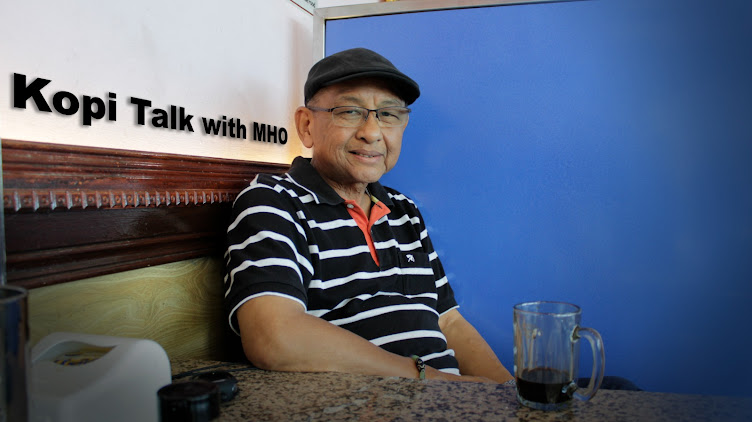
By Malai Hassan Othman | KopiTalk with MHO
A young businessman once told me that running a small business in Brunei is tough, not because of finding customers or money, but because of learning to wait.
He spent ages waiting for forms, approvals, and
sometimes payments. By the time the cash arrived, salaries were due, suppliers
were growing impatient, and his excitement had begun to wane.
In Brunei, a lot of small businesses don't fail
because there's no work; they fail because they run out of cash. Delays choke
cash flow, while bills keep piling up on time.
"The country is peaceful," he said,
almost apologetically, "but sometimes it feels like that peace makes us
move really slowly."
That chat popped into my mind when I read the New
Year 2026 titah.
At first glance, it seems calm and reassuring. It
thanks God for stability and notes that even with global chaos, climate issues,
and economic challenges, Brunei is still steady, orderly, and resilient.
There's no alarmist tone, no drama, and no sense of
panic. But that's exactly why we need to pay more attention to the message.
Underneath its chill vibe, the main point is clear:
we can't keep moving at the same speed as before, even if that felt comfy and
safe.
For the first time in a while, the titah isn't just
about hopes and dreams. It's about actions, timelines, and real changes, which
is how serious reform often sneaks in.
Starting January 2026, we'll have a national
digital identity, Brunei-ID. The Postal Department is becoming PosBru. The
phrase "customer-centric" service is popping up, not just as a catchy
slogan, but as something we should actually expect.
These aren't just nice announcements. They signal
that Brunei's current challenge isn't about vision, but about getting things
done, coordinating efforts, and picking up the pace.
The economic outlook is honest and balanced. It
acknowledges a 1.1 per cent contraction in the first half of 2025, while also
noting trade surpluses and a welcome drop in inflation.
So, we're not in a crisis, but we can't afford to
chill either. We're stable, but stability alone doesn't create momentum or
build confidence.
Stability, at best, just buys us time. And as we
approach 2035, time is becoming more precious and harder to come by.
The repeated calls to step up efforts, boost
competitiveness, and speed things up in key sectors aren't just casual talk.
They reflect a leadership that knows we can't afford to delay.
Wawasan 2035 isn't some far-off goal we can
approach leisurely. It's a target that requires us to measure not just our
direction, but how fast we're moving.
It's also notable who gets a shout-out in the
titah. Youth groups, young entrepreneurs, farmers, and breeders are highlighted
because they represent where real productivity and resilience will come from.
Food security isn't just an economic goal anymore.
In a more uncertain world, it's about national resilience and serious strategy.
The focus on service reform and customer-centric
delivery is also significant. This kind of language isn't typically linked to
bureaucracy, and its inclusion here is intentional.
The corporatisation of PosBru isn't just a one-off
experiment. It sets a quiet standard for how other public services might be
expected to change.
What's left unsaid in the titah is just as crucial
as what is said.
There's no talk about slow processes, siloed
thinking, or institutional inertia. There's no public finger-pointing or blame.
But when transformation, responsiveness, and
delivery are emphasized repeatedly, it's clear our current approach isn't
cutting it.
There's also no outright admission that we're
behind schedule on Wawasan 2035. But when urgency starts replacing celebration
in national messaging, we don't need footnotes to get the picture.
The real bottleneck, as many quietly know, isn't
about policy design. It's about execution, coordination, and the everyday
friction that drains energy from good intentions.
This is where the titah reflects on all of us.
For those in leadership and decision-making roles,
the message is gentle but firm: the time for comfortable policies without
urgent action is coming to an end.
For civil servants on the ground, the message is
crystal clear. You're not just administrators anymore; you're the living face
of national reform and public trust.
Every counter, every approval, and every response
time is no longer a minor detail. It's part of how we judge the nation's
commitment to change.
To the youth, this encouragement comes with
responsibility. You're not just the future; you're part of the present solution
and need to help build what you want to inherit.
And for the public, maybe the quiet reminder is
this: Brunei is safe, stable, and blessed, but stability without movement can
turn into stagnation without us even realizing it.
In the end, Wawasan 2035 isn't just a document, a
slogan, or a date on a calendar. It's about how we behave daily, reflected in
how quickly we decide and how faithfully we keep our promises.
It lives in how much hassle we remove for others
and how much unnecessary friction we're willing to break down in our own
systems.
A system can stay polite, orderly, and calm - and
still slowly fail the people it's meant to serve.
Stability is a blessing. However, stability without
urgency can slowly turn into stagnation, and stagnation, in a changing world,
is merely decline that hasn't yet learned to introduce itself.
The titah doesn't scold us. It does something more demanding. It trusts us - and quietly asks if we're finally ready to move as seriously as we've promised. (MHO/01/026)

.jpeg)
No comments:
Post a Comment