
We often debate minimum wage through numbers — inflation, formulas, and economic models. But what if the real question is not how much people earn… but how they experience work itself?
Curious to hear your thoughts.

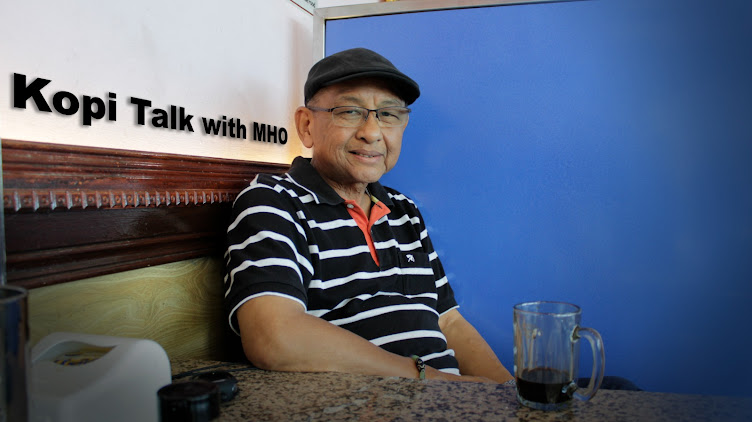
☕ KopiTalk with MHO
The Gap Nobody Wants to Define
After
Part One was shared, a reader reached out to suggest that discussions about
minimum wage should be closely aligned with inflation — that wages ought to
move symmetrically with economic indicators that rise and fall beyond our
control.
It was a thoughtful observation, and one that reflects how many of us
instinctively approach economic questions. When conversations about work become
uneasy, we often return to numbers — inflation rates, market forces,
productivity curves — because they feel measurable and reassuring.
And
yet, the comment stayed with me for a different reason.
It
reminded me how quickly our national conversations shift toward formulas, as if
the right equation might finally settle the question of fairness. Inflation is
certainly part of the equation. But sometimes our discussions focus so heavily
on the mechanics of adjustment that we overlook a deeper reality — how people
actually live within those numbers, and how they experience work beyond what an
index can capture.
In
Part One, I reflected on the idea that minimum pay often represents survival
rather than dignity. The policy itself exists, and its intention is clear. But
once we move beyond the existence of a wage floor, another question quietly
emerges: if minimum wage is meant to prevent the worst outcomes, what then
defines a meaningful livelihood?
This
is where the conversation becomes less comfortable.
Because
the gap between a policy figure and a lived reality is not always easy to
quantify. Some will argue that wages should follow inflation closely, rising
with the cost of living. Others will point to economic sustainability, employer
capacity, or external pressures that shape the labour market. All of these
perspectives have merit.
Yet perhaps our discussions have become so
accustomed to debating adjustments at the margins that we hesitate to ask
whether the structure of work itself has changed beneath us.
Perhaps
the real challenge is that none of them fully explains why many workers —
especially younger graduates — feel caught between employment and uncertainty,
working hard yet unsure whether their efforts are leading toward stability or
simply maintaining momentum.
I was recently reminded of a young graduate who quietly shared his frustration after years of study, only to find himself accepting work far outside his field simply to remain employed.
The job paid enough to survive, but not enough to plan a future. He did not complain about working hard — he worried about standing still. His experience is not unique.
It reflects a growing
undercurrent of underemployment among graduates, where qualifications rise
faster than opportunities that match their skills or aspirations.
Perhaps this is where many of our labour conversations become difficult. We speak openly about wage figures, inflation and policy adjustments, yet are more cautious about the structural mismatch between education, expectations and the kinds of jobs our economy is currently able to absorb. Numbers help us understand the surface of the issue, but they do not always reveal how people feel when the path forward seems uncertain.
And maybe that is why the question raised in Part One continues to echo in a different form: not simply what the minimum should be, but whether the gap between survival and dignity is widening quietly beneath the numbers we debate so confidently — and whether meaningful work is becoming the next question we can no longer avoid. (MHO/02/2026)

.jpeg)
No comments:
Post a Comment