Friday, November 14, 2025

Every year-end, something strange happens.

Roadblocks multiply. Summonses spike. Office behaviour suddenly “improves.”
KPI charts rise… but sincerity quietly falls.

It made me wonder:

Are we doing the right thing because it is right -
or because someone is watching?

Episode 5 of MIB Management 101 explores ihsan -
The excellence that begins when supervision ends.

A value our nation speaks about, but our workplaces rarely practice.

It starts with a funny traffic-light story.

It ends with a mirror held up to all of us.

👉 Read: “Ihsan at Work — The Excellence We Lose When No One Is Watching.”

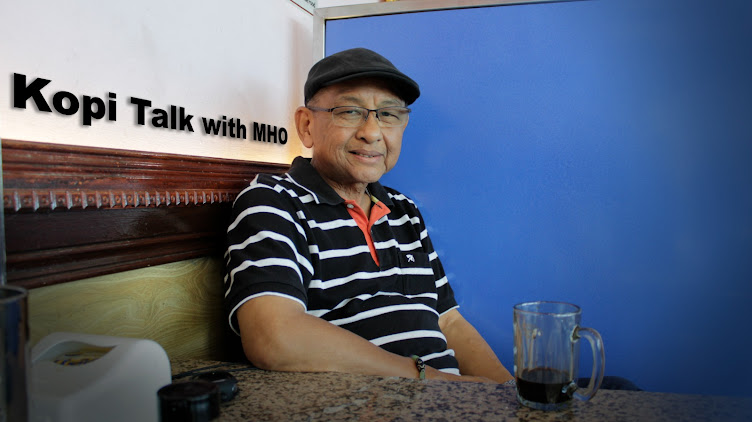
 KopiTalk with MHO | MIB Management 101


Episode 5 — Ihsan at Work: The Excellence We Lose When No One Is Watching


“Ad-dāʾimūna al-muḥsinūna bi-l-hudā — Always render service with God’s guidance.”


A Traffic Story We Laugh At… Until We See Ourselves in It


I once heard a story that made everyone laugh - the kind of laughter that conceals a small sting of truth.


A driver ran a red light and got pulled over. The annoyed police officer asked:


“Inda nampak kah lampu merah atu tadi?”


The driver replied, with the honesty that only panic can produce:


“Nampak tuan… tapi saya inda nampak tuan.”


He saw the red light.


But he only obeyed when he saw the enforcer.


Before we judge him, we should recognise that many of us buckle our seatbelts only when we spot a roadblock ahead. Not because it’s safer, but because there’s a uniform watching.


This is not just a traffic story.


It is a story about us.


And this is where the conversation on ihsan begins.


The KPI Culture: When Numbers Become More Important Than People


If you observe closely, a strange pattern emerges in many countries — not just ours.


At year-end, enforcement activities suddenly surge. More stops. More summonses. More "visibility."


Are officers insincere? No. Many serve with genuine dedication.


But systems can shape behaviour more than sincerity can. When performance bonuses depend on KPI numbers, organisations begin to chase targets, not purpose.


Roads become places to meet quotas — not necessarily to save lives.


This is the quiet, uncomfortable truth of modern management:


When KPI becomes king, conscience becomes optional.


That is why the Islamic tradition emphasises something far deeper - a value that cannot be monitored, measured, or manipulated. Ihsan.

 
Ihsan — The Excellence That Comes From Within


The Prophet Muhammad ﷺ described ihsan in the famous Hadith of Jibril:


“To worship Allah as though you see Him; and if you cannot see Him, know that He sees you.”


In simple terms: Do the right thing even when unseen.


Ihsan is not about perfection.


It is about presence - the awareness that every action carries weight, even if no one records it.


However, the Prophet ﷺ also warned us about the opposite of ihsan - riya’. The danger of doing good for the wrong audience.


He said that the thing he feared most for us is riya’, the minor shirk, when good deeds become mere performance.


Actions that win praise here but earn nothing there.


This should concern us not out of fear, but out of self-awareness - because without ihsan, sincerity becomes the first casualty of ambition.


The Quiet Strength of Unseen Goodness


A person of ihsan works differently.


Their effort doesn’t rise when the boss arrives and collapses when the boss leaves.
They don’t wait for CCTV to behave.


They don’t save their best efforts only when someone is evaluating them.


They work with the dignity of someone who knows that Allah sees what HR doesn’t.


Yet, we know the reality in many workplaces. Some people intentionally dim their light:


“Jangan tah luan labih-labih… inda jua kana puji, inda jua naik gaji.”


It becomes a survival mechanism.


A shield.


A quiet resignation.


And yet, this mindset slowly kills organisations from within. It destroys spirit, discourages initiative, rewards mediocrity, and over time, creates an environment where sincerity is punished and hypocrisy is incentivised.


Ihsan is the antidote.


It turns routine into purpose.


Work into service.


Service into ibadah.


The Brunei Context: A Negara Zikir Without Ihsan?


Living in a Negara Zikir should mean more than remembering Allah in rituals — it should mean remembering Him in decisions, in service, in leadership.


But if we are honest, bureaucracy sometimes holds more influence than spirituality. A form stamped with sincerity or with indifference still looks the same.


So ihsan becomes the missing ingredient — the quiet value that no SOP can enforce.


In Brunei’s context, ihsan looks like:

  • Serving with warmth, not cold protocol.
  • Completing tasks properly even when nobody checks.
  • Rejecting misuse of power even when no one will know.
  • Choosing fairness even when pressured to bend.

His Majesty often reminds public servants that sincerity and discipline are the foundation of trustworthy governance. Ihsan is the inner engine that turns those reminders into reality.


When Ihsan Spreads, Culture Changes


The beauty of ihsan is that it does not need campaigns, slogans, or posters.
It grows quietly.

When one person practices it, others notice.

When a team practices it, the environment softens.

When an organisation practices it, politics fades and purpose returns.
People feel safer.

Decisions become clearer.

Meetings become less theatrical.

Work becomes meaningful again.

Ihsan is contagious — not loudly, but deeply.


Closing Reflection: The Question Ihsan Asks of Us


We like to believe we are honest, responsible, and ethical — but much of that depends on whether someone is watching.


Ihsan invites us to a higher standard.

A quieter standard.

A more sincere standard.

  • Compliance becomes conscience.
  • Procedure becomes purpose.
  • Work becomes worship.

It shifts everything:


And it leaves us with a simple but unsettling question:


Do we stop at the red light because it is red — or because someone is watching?


In the end, Ihsan is choosing what is right even in moments no one will ever remember — except the One who sees all.


📖 KopiTalk with MHO — reflections brewed gently, with honesty and heart.


Thursday, November 13, 2025

Brunei’s unemployment rate might be down, but not everyone’s celebrating.

Officials speak of progress. Jobseekers speak of exhaustion. Somewhere between the two lies the real story of unemployment in Brunei.

By Malai Hassan Othman

The Department of Economic Planning and Statistics (DEPS) reported that unemployment dropped from 5.1% in 2023 to 4.7% in 2024. Officials are calling it progress, pointing out stronger hiring in the private sector and successful programs like JobCentre Brunei and the i-Ready apprenticeship scheme. 

However, job seekers and others on the ground are responding with scepticism. Many say the numbers don’t match their reality - they’re dealing with months of job applications that go unanswered and temporary gigs that don’t lead to permanent positions.

During the 2025 Legislative Council session, the Minister at the Prime Minister’s Office and Second Minister of Finance and Economy, Dato Seri Setia Dr Awang Haji Mohd Amin Liew bin Abdullah, shared that the overall unemployment rate for those aged 15 and older is now at 4.8%. 

But he warned that the government “must not get too comfortable.” He noted that job growth mainly came from a 4% increase in private-sector jobs, which now make up about 70% of Brunei’s workforce. 

He mentioned that over 1,600 job openings were available through career fairs and training partnerships last year, leading to several hundred successful job placements. 

At the launch of Jelajah Kerjaya 2025, Dato Amin Liew said more than 500 positions were filled in last year’s fair, highlighting that the platform connects job seekers with real opportunities through partnerships between the government and industry.

Still, youth unemployment is a big concern. The Labour Force Survey 2024 showed that although the overall rate dropped, youth unemployment actually rose to 18.3% from 16.8% the year before. 

Average monthly earnings also took a hit, dropping from BND 1,758 to BND 1,686, with over a quarter of workers putting in more than 48 hours a week, many in low-paying or temporary roles. 

Analysts describe this situation as a misleading calm: the overall rate might look better, but lots of people are still underpaid, overworked, or not working in jobs that match their qualifications.

When you look at the region, Brunei’s unemployment numbers still lag behind its neighbours. Malaysia’s youth unemployment rate was 10.8% in 2024, and Singapore’s was at 6.6% - both lower than Brunei’s 18.3%. 

Economists say this gap points to deeper issues: slower private-sector job growth, limited industry diversity, and a mismatch between education and job market needs that hasn’t been fully addressed.

The government has invested over BND 20 million each year since 2018 into initiatives like JobCentre Brunei and the i-Ready program, stabilising spending at about BND 19 million a year. 

But despite this hefty investment, the results have been disappointing. Internal reviews in 2020 showed that only about one in three i-Ready participants landed permanent jobs. 

Employers were often found to be using the program to fill temporary roles with subsidised labour instead of keeping trainees on. 

So, much of the funding ended up going toward short-term assistance rather than lasting jobs. 

Many i-Ready participants say this trend continues, describing their experience as “experience without exit,” while others admit they’re back on the job hunt soon after their contracts wrap up.

Some job seekers voiced similar frustrations in public discussions, noting that job fairs can create buzz but don’t always lead to long-term gigs. 

One commenter said it felt “encouraging at first, but many of us go back to the same job search once the event ends.” 

This perspective was polite yet honest, indicating that what seems promising on the surface doesn’t always result in solid outcomes.

The Centre for Strategic and Policy Studies (CSPS), Brunei’s national think tank, has consistently called for deeper, more meaningful reforms - not just short-term fixes, but real solutions to tackle unemployment at its roots. 

This includes aligning university and technical education with industry needs, promoting local hiring in the private sector, reducing the pay gap between government and private jobs, and diversifying the economy beyond oil and gas. 

CSPS also suggested that the government gather clearer data to identify who is unemployed, underemployed, or working part-time out of necessity. 

They recommended stronger connections between education and jobs, better incentives for employers to hire locals, and more transparency in assessing government programs. 

The think tank even proposed exploring new ideas like a fairer national minimum wage or testing a basic income scheme to help job seekers stay afloat while looking for stable work.

Several thoughtful voices in the public have echoed these concerns, pointing out that Brunei produces thousands of graduates each year but offers only a limited number of stable, long-term jobs. 

One netizen noted gently that “it’s getting harder to find permanent jobs because many roles only last a year or two before being replaced.” 

This sentiment reflects a growing public understanding that a serious alignment between training, industry demand, and job creation is long overdue.

For now, the official message continues to swing between optimism and caution. Each year follows a familiar pattern - progress is announced, complacency is warned against, mindsets are urged to change, and diversification is stressed. 

As many Bruneians would say, “tahun-tahun sama saja pantunnya” - year after year, it’s the same old promises and reminders. Online, a young graduate shared a similar feeling, saying that talks about unemployment “sound the same every year,” indicating that many are quietly hoping for not just new plans, but real results they can see in their daily lives.

Among everyday Bruneians, confidence in the job market remains shaky. Many take the latest figures with “a pinch of salt,” as one observer put it. 

They see the unemployment rate going down, but not the lines outside the JobCentre. They hear about success stories, but not enough to feel like things have really changed. For them, true progress isn’t just a number on paper; it’s about finding steady jobs, building careers, and providing for their families without relying on temporary solutions.

A young graduate who finished an i-Ready placement last year put it simply: “We don’t want sympathy. We just want work that matters - something that lasts.”

The government insists that reforms are in the works and that meaningful change takes time. 

But until policies turn into real, lasting jobs, the gap between the official narrative and everyday life will keep testing public trust. 

In a country aiming for the goals of Wawasan 2035 - to be educated, skilled, and prosperous - the challenge isn’t just to lower unemployment; it’s to restore hope that every effort and every dollar spent leads to work that truly matters. (MHO/11/2025)


Tuesday, November 11, 2025

NDP Dalam Politik MIB: Angin Yang Tidak Kelihatan, Tetapi Sentiasa Dapat Dirasakan


Dalam perjalanan panjang saya meneliti dan menulis tentang politik Brunei, saya sering kembali kepada satu hakikat yang saya rasa sejak dahulu tetapi jarang saya lafazkan:

Politik di Brunei hadir seperti angin - tidak kelihatan, tetapi sentiasa dapat dirasakan.

Ungkapan itu pernah diluahkan Allahyarham Yasin Affendy, pengasas dan Presiden pertama Parti Pembangunan Bangsa (NDP).

Kata-katanya ringkas, tetapi sarat pengalaman, luka sejarah, dan cinta yang tidak pernah luntur terhadap tanah air.

Dalam ungkapan itu tersembunyi falsafah besar: di Brunei, kekuatan politik tidak diukur pada suara lantang, tetapi pada budi yang ditanam dan meninggalkan bekas.

Kebenaran itu jelas dalam seluruh susunan politik MIB kita.

Politik Brunei tidak bising.
Tidak berbalah.
Tidak mengaum di jalanan.

Namun ia tetap hidup - di dalam hati rakyat, antara titah dan teguran Baginda Sultan, dan pada hubungan enam abad yang mengikat raja dan rakyat.

Dalam NDP, kita selalu mengatakan bahawa raja dan rakyat tidak tidur sebantal, tetapi mimpi mereka tetap sama.

Mimpi tentang keamanan.
Mimpi tentang kesejahteraan.
Mimpi tentang negara yang terus berkat dan dihormati.

Raja dan rakyat tidak berkongsi tempat tidur, tetapi berkongsi tujuan.

Dan sebagaimana selalu diingatkan Baginda Sultan - raja dan rakyat berpisah tiada.

Itulah akar ketenangan Brunei.


1. Politik MIB: Suara Halus Dalam Adab dan Hikmah


Politik Brunei bergerak dalam garis halus yang menuntut adab dan hikmah.
Suara rakyat hadir dengan tertib.

Teguran hadir dalam bahasa yang sopan.

Inilah politik berhemah — sebuah budaya yang lahir daripada adab Melayu, dituntun oleh agama, dan disantuni oleh kepimpinan berjiwa rakyat.

Namun di sebalik kesantunan itu, wujud fenomena lama—fobia politik.

Ramai takut tersilap langkah, risau dianggap melampaui batas, bimbang menjejaskan keluarga dan masa depan.

Seolah-olah politik itu racun, bukan amanah; seolah-olah politik itu pertempuran, bukan jalan memperbaiki kehidupan.

Fobia ini lahir daripada sejarah panjang, sensitiviti budaya, dan anggapan bahawa politik itu sempit, kotor, dan harus dijauhi.

Padahal dalam kerangka Negara Zikir, politik bukan medan cacian tetapi ruang untuk berkhidmat, menyempurnakan amanah, dan menabur bakti dengan adab.

Dalam dua dekad saya bersama NDP — satu-satunya parti politik berdaftar di Brunei — saya sering ditanya:

Mengapa wujud parti politik di Brunei?
Apa gunanya jika tidak berada di Majlis Mesyuarat Negara?
Mengapa terlibat apabila negara berada di bawah Undang-undang Darurat?
Bukankah ini sekadar membuang masa?

Soalan-soalan ini bukan sinis, tetapi lahir dari kekeliruan senyap — generasi yang masih mencari tempat moral politik dalam kerangka MIB.

Namun saya percaya:
Ketertiban bukan alasan untuk membisu.
Ia adalah cara kita menjaga kehormatan negara.


2. Pelopor NDP: Generasi 60-an Yang Kembali Dengan Hikmah


Ketika NDP ditubuhkan, sebahagian besar pelopornya ialah aktivis politik 1960-an— termasuk ahli Partai Rakyat Brunei (PRB) yang pernah melalui zaman getir dan diharamkan, ketika negara berada di persimpangan jalan: antara memilih jalan merdeka dengan acuan sendiri atau menyertai jalur pembentukan Persekutuan Malaysia.

Mereka generasi yang pernah berdiri di antara idealisme dan sejarah.

Namun Brunei — dengan kebijaksanaannya — tidak memanjangkan dendam.

Jika Brunei negara yang berdendam, mereka tidak akan diberi ruang kembali berkhidmat.

Tetapi Brunei memilih jalan rekonsiliasi.

Negara tidak menutup pintu, bahkan membuka ruang baharu — bukan untuk kembali menentang, tetapi untuk kembali membangun.

Allahyarham Yasin Affendy melangkah masuk semula dalam politik bukan sebagai pembantah, tetapi sebagai penyembuh.

Sebagai angin yang senyap tetapi menggerakkan bangsa.

Perjuangan itu diteruskan oleh rakan seperjuangannya,
Saudara Haji Mahmud Morshidi Othman, pengasas utama dan Presiden kedua NDP — juga aktivis era 60-an.

Beliaulah yang merumuskan falsafah parti:
“Gerakan dakwah yang berpolitik, dan politik yang berdakwah.”

Inilah falsafah yang sejiwa dengan Negara Zikir — politik yang mengajak kepada kebaikan, menghindar kemungkaran, dan menjaga kesejahteraan rakyat dengan tertib.


3. Politik Sebagai Adab, Amanah dan Ihsan


Dalam sistem MIB, politik bukan medan perebutan kuasa.

Ia adalah hubungan amanah antara raja dan rakyat.

NDP memahami hal ini sejak awal.

Sebab itulah NDP tidak memilih jalan konfrontasi.

NDP memilih jalan adab — kerana adab itu sebahagian daripada amanah negara.

Dasar perjuangan NDP sejak 2006 menekankan:

• taat setia kepada Sultan sebagai Ulil Amri
• keadilan dan ihsan
• syura dan musyawarah
• kesedaran politik yang damai
• dakwah bil hikmah
• politik yang menghubungkan, bukan memecahkan

Dalam Negara Zikir, amanah adalah ibadah — dan politik, apabila dilakukan dengan hati yang bersih, menjadi amal salih.


4. Gagasan Mufti: Negara Ini Berdiri Atas Sedekah


Mufti Kerajaan, Yang Berhormat Pehin Datu Seri Maharaja Dato Paduka Seri Setia Dr. Ustaz Haji Awang Abdul Aziz Juned pernah menyatakan bahawa:
Brunei ini ditanai dengan sedekah.


Pendidikan, kesihatan, keselamatan, subsidi — semuanya sedekah negara kepada rakyat.

Namun sedekah tidak boleh berjalan sehala.

Rakyat juga mempunyai ruang membalas — bukan melalui harta semata-mata, tetapi melalui:

• masa
• tenaga
• fikiran
• khidmat


Dan bagi sebahagian daripada kita, politik ialah bentuk sedekah yang paling senyap — tetapi paling tulus.

 
5. Peranan NDP: Politik Berhemah Dalam Negara Zikir


Di sinilah peranan NDP terserlah.

NDP bukan ditubuhkan untuk melawan kerajaan, tetapi untuk menjadi jambatan —
menghubungkan suara rakyat kepada negara dengan adab.

NDP menjadi rumah kepada rakyat yang ingin menyumbang melalui jalan sah dan tertib.

Parti ini wujud bukan untuk menjerit, tetapi untuk mendengar;
bukan untuk menghasut, tetapi untuk memujuk;
bukan untuk membakar sentimen, tetapi untuk membawa pencerahan.

Inilah politik berhemah Brunei —
politik yang tidak bergelanggang maki hamun, kutuk-mengutuk atau perli memperli,
tetapi politik yang memperbaiki, mendidik, dan memakmurkan.


6. Penutup: Masa Depan Politik Beradab


Sesudah dua dekad dalam parti ini, saya semakin yakin bahawa politik Brunei bukan politik yang membisukan rakyat.

Ia adalah politik yang mendidik rakyat untuk bersuara —
dengan adab, dengan tertib, dengan hikmah.

NDP telah memilih jalan itu sejak awal:
jalan bakti,
jalan amanah,
jalan ihsan,
jalan yang selaras dengan ruh Negara Zikir.

Akhirnya, politik bukan tentang siapa paling lantang,
tetapi siapa paling ikhlas.

Dan dalam diam itulah angin politik Brunei terus bertiup —
tidak kelihatan, tetapi sentiasa dapat dirasakan.

Selama angin itu berhembus, selama itulah NDP akan berdiri sebagai saksi bahawa politik beradab masih hidup, masih subur, dan masih menjadi ibadah senyap tetapi bermakna. (MHO/11/2025)
 

Sunday, November 9, 2025

The Conscience of a Nation: NDP and the Meaning of Moral Participation under MIB

Why have a political party in a nation without elections?

A valid question — one I've heard for 20 years.

Part 5 of our series looks at NDP from the inside:
Its purpose, its moral discipline, and its place within Brunei’s MIB political culture.

Not to promote the party —
But to explain why its existence matters more than people think.

A fresh, honest, thought-provoking read.
Watch for the drop.


This column continues our series on Understanding Brunei’s Political System and Culture through MIB


In earlier parts, we explored the roots of MIB governance, participatory ideals, and the evolving bond between the ruler and the rakyat. 


Discussing Brunei’s political system and culture would be incomplete without acknowledging the existence of a political party within this national ecosystem. 


This fifth part focuses on the National Development Party (NDP) — its purpose, philosophy, and its place within Brunei’s moral and political framework.


Disclaimer: This essay aims not to promote NDP but to provide an understanding of the existence of a political party in Brunei — why it exists, why it is relevant, what its objectives are, and how it fits into the nation’s political and cultural system.


☕ KopiTalk with MHO


Part 5 — The Conscience of a Nation: NDP and the Meaning of Moral Participation under MIB

(Understanding Brunei’s Political System and Culture through MIB — Series Part 5)


In my two decades with the National Development Party (NDP) — the only registered political party in Brunei — I’ve often been asked: Why have a political party in Brunei? Why get involved when the nation is ruled under Emergency Laws? 


What’s the point when NDP members aren’t in the Legislative Council? Some even say, “You’re wasting your time.”


These questions arise not from cynicism but from a quiet uncertainty — from a generation still contemplating how politics, in its moral and participatory sense, fits within Brunei’s Melayu Islam Beraja (MIB) system.


When NDP was officially registered on 31 August 2005, it signified a turning point. 


His Majesty Sultan Haji Hassanal Bolkiah Mu'izzaddin Waddaulah, the Sultan and Yang Di-Pertuan of Brunei Darussalam, had previously ordered the reactivation of the Legislative Council (LegCo) in a titah (royal address) delivered on his 58th birthday in July 2004. 


The Council was officially reconvened on 25 September 2004 after a 21-year absence, with its first agenda being the proposed amendment of the 1959 Constitution. 


In his titah, His Majesty proposed constitutional amendments to strengthen the monarchy and enhance government–citizen relations through official consultation mechanisms — establishing a formal venue for discussion and public input, with representatives appointed by His Majesty.


Many of NDP’s early committee members were once part of the Brunei People’s Party (PRB), which had been banned since the 1960s. 


Their return through lawful means reflected reconciliation, not resistance — His Majesty’s confidence that loyalty, when grounded in sincerity, can take many forms.


For us, it was never a revival of opposition politics but a restoration of trust — a gentle assurance that dialogue and moral participation still have a home under MIB.


From the beginning, NDP was never a party of protest or populism. Our founders described it as:


“Sebuah gerakan dakwah yang berpolitik dan sebuah pertubuhan politik yang berdakwah.”

A movement of da'wah that engages in politics, and a political organisation that nurtures moral discipline.


This philosophy, articulated by Haji Mahmud Morshidi Othman, the second President of NDP, remains our guiding principle. 


NDP’s mission is to guide Bruneians to participate responsibly in nation-building — not through confrontation, but through adab, amanah, and ikhlas.


Politics here is not about power; it is about purpose.


Our vision is simple — for Brunei Darussalam to remain a Baldatun Thayyibatun Wa Rabbun Ghaffur — sebuah Negara Melayu Islam Beraja yang Aman, Makmur dan Mendapat Keampunan Allah SWT (peaceful, prosperous, and blessed by God the Almighty).


Our mission echoes MIB: loyalty to His Majesty as Ulil-Amri, defence of Islam as Ad-Din, promotion of Malay identity, and commitment to Al-‘Adl wal Ihsan — justice and compassion — as the pillars of governance.


NDP exists to serve the nation by serving its conscience.


NDP sees itself not as an adversary but as a strategic partner to His Majesty and the Government. 


Its role is not to oppose but to propose; not to compete for power but to complement it with conscience. 


Within Brunei’s MIB political system, NDP serves as an alternative voice in development — a bridge connecting the palace and the rakyat, ensuring shared progress built on faith and trust.


The party’s existence aims to close any widening gap between the ruler and the people. 


In NDP, we often say, “Walaupun tidak tidur sebantal, mimpi raja dan rakyat tetap sama.” — though not sharing the same pillow, the dreams of the ruler and the people are one.


This reflects His Majesty Sultan Haji Hassanal Bolkiah Mu’izzaddin Waddaulah’s Golden Jubilee titah in 2017: “Raja dan rakyat berpisah tiada.” The bond between the King and his people is inseparable — a sacred trust that defines Brunei’s monarchy.


His Majesty has repeatedly emphasised this relationship: a reciprocal obligation between monarch and people, a shared trust for national welfare, and a pillar of unity spanning six centuries. 


He calls for inclusive development, ensuring no one is left behind, and demonstrates this through his annual district visits — direct engagement that embodies leadership by presence.


This bond, His Majesty reminds us, is the catalyst for harmony and progress. 


Government officials are also reminded that their foremost duty is the welfare of the rakyat — to resolve matters swiftly and justly. 


NDP aligns with this vision — a loyal intermediary translating that inseparable bond into civic participation and community-building under MIB values.


As a political organisation, NDP has always operated on this understanding — that service and sincerity must come before structure and status.


In resonance with this spirit, the recent ucapan/ceramah by Pehin Datu Seri Maharaja Dato Paduka Seri Setia Dr Ustaz Haji Awang Abdul Aziz bin Juned, the State Mufti, titled “Negara Kita Ditanai Dengan Sedekah” (Our Nation Is Nurtured by Charity), offers a profound moral reminder. 


He emphasised that Brunei’s strength lies not only in its wealth but also in the continuous acts of sedekah, service, and compassion that sustain the nation’s blessings. 


This message mirrors the foundation of NDP’s politik berhemah — that serving the nation is itself a form of ibadah and sedekah, a sincere contribution to the spiritual and social well-being of the rakyat. 


In this sense, NDP’s existence aligns with the Mufti’s vision: to cultivate a society where governance, politics, and service flow from the same wellspring of faith, gratitude, and moral responsibility.


As a political organisation, NDP operates within Negara Zikir — where service is remembrance. Our brand of politics is politik berhemah, guided by discipline, humility, and sincerity. 


As His Majesty reminded us, public service must be “kaya dengan disiplin dan amanah” — rich in discipline and trustworthiness.


Leadership and citizenship are both acts of ibadah. When one governs with fairness and the other obeys with sincerity, the nation prospers — not only economically but spiritually.


Public apathy toward politics runs deep. Some see politics as irrelevant, others as risky. 


Many youths shrug, saying, “Buat apa bepolitik, buang masa saja, inda jua kana dangar, kana jaling, kana maraki mata saja.” 


But the real issue is not a lack of power — it is a lack of participation. A society that stops participating eventually stops caring — and when society stops caring, the nation begins to decline.


That is why NDP reaches out through civic education, youth programs, and public dialogues — to revive awareness and shared responsibility. MIB is not only about obedience but also about partnership between ruler and ruled, bound by amanah.


Brunei’s Emergency era is often mistaken for political stillness. Yet within it lies quiet evolution — the maturing of civic ethics. 


Emergency Laws may limit activity, but they do not limit responsibility. They demand discipline, wisdom, and restraint.


NDP chooses to operate within these boundaries — loyally and purposefully — as a platform for guided participation


In Brunei, democracy may not mean ballots and rallies, but trust and dialogue. Under MIB, consultation (musyawarah) is a democracy guided by faith.


Politics in Brunei is not dead; it has been refined. A political party’s purpose is not to divide but to unify, not to pursue power but to strengthen conscience. 


NDP’s mission is to reframe politics — to demonstrate that it can exist as cooperation, not confrontation.


We do not push against the government; we push ourselves — to show that loyalty and critical thought can coexist, that one can be patriotic yet still seek improvement.


When people see inefficiency or misuse of power, despair is easy. But despair is not reform. Change begins with conscience — islah nafs, self-correction before systemic correction. 


Real reform begins when honesty replaces complacency and service replaces status.


Our politics is not about slogans but sincerity. And sincerity — ikhlas — is the hardest form of politics.


NDP’s guiding motto is:


“Menjunjung Titah Membangun Bangsa.” — Upholding the Decree, Building the Nation.


Brunei’s future depends not on the loudness of protest but on the purity of service. 


Our goal is not representation in the Legislative Council, but representation in conscience — reminding everyone that progress must walk hand in hand with prayer.


As His Majesty reminds us, governance is measured not by systems but by sincerity. 


When authority acts with integrity and citizens respond with trust, MIB becomes alive. 


NDP’s role is not ornamental; it is essential — a quiet conscience keeping the nation’s moral engine running.


KopiTalk Reflection


Politics in Brunei may not mirror other nations — and perhaps it never should. Yet politics exists here, quietly, in the rhythm of service and loyalty.


NDP stands as proof that participation can exist without opposition, reform without rebellion, and faith as the truest form of freedom.


If politics elsewhere is about seizing power, ours is about serving purpose — the purest form of democracy under the light of MIB. (MHO/11/2025)


Saturday, November 8, 2025

When Fresh Turns Rotten: Brunei’s Long Road to Becoming a Regional Trade Hub

“Brunei’s dream to be a service hub for trade remains alive — but can it flourish if efficiency at our main gateway still moves at yesterday’s pace?”


KopiTalk with MHO

Brunei's dream of becoming a trade and logistics hub isn't a new idea—it's been around for over 20 years, starting with the Service Hub for Trade and Tourism (SHuTT) initiative. 

The goal was to turn Brunei into the go-to place for the BIMP-EAGA region, making it more than just an oil and gas producer; it aimed to be a key player in the global movement of goods, services, and people.


Back then, Dato Paduka Malai Haji Ali bin Malai Haji Othman, who was the Permanent Secretary at the Ministry of Communication, called for a shift in mindset. 

He said, “We must promote the concept of import and export through Brunei and communicate through Brunei. We have imagined ourselves as the infrastructural link between the people of Brunei and the rest of the world.” 

This really summed up what SHuTT was all about: a forward-thinking vision of connectivity, commerce, and competitiveness.


Fast forward over 20 years, and that same vision is facing a familiar problem: inefficiency at the nation’s own gateway. 

Recently, a public complaint made the rounds online, saying that a shipment of perishable goods was stuck at Muara Port for over two weeks, even though all import procedures were followed. 

The frustrated importer detailed heavy losses from spoiled products and extra storage costs due to the delays. 

While the source of the letter hasn’t been confirmed, it struck a chord with business owners and the public who have long grumbled about slow and inconsistent port clearances.


One former factory worker shared on social media that customs delays forced his company to work around the clock to meet export deadlines, resulting in losses and layoffs. 

Another commenter said the Royal Customs and Excise Department was “slow and unreasonable” and would only act when “pushed from higher up.” 

These anecdotes paint a picture of ongoing inefficiency that hasn’t improved, even with new tech, reforms, and automation.


The timing of this issue is ironic. 

Muara Port, Brunei's main maritime gateway, is currently undergoing a big transformation thanks to a partnership between Darussalam Assets Sdn Bhd and Beibu Gulf Holding (Hong Kong), known as the Muara Port Company (MPC). 

Established in 2017 under the Belt and Road Initiative, this partnership aims to turn Brunei into a modern logistics and transhipment hub. 

The upgrades include building a new 250-meter berth, deepening the port waters, and installing post-Panamax cranes and automated systems. 

Once completed in 2027, the upgraded terminal will be able to accommodate larger vessels and handle double its current capacity.


MPC Chief Operating Officer Fazilah Yassin called the project “a milestone for Brunei’s logistics future,” promising job creation, better efficiency, and stronger ties to regional markets. 

But incidents like the alleged clearance delay could undermine these goals. 

Modern equipment may boost capacity, but true efficiency is about how quickly and transparently goods move through the system.

Brunei's efforts to make Muara Port a hub have followed a familiar pattern: big dreams and investments, but then slow administrative processes. 

Past initiatives from the SHuTT days stumbled not due to lack of ambition, but because of bureaucracy, limited private sector involvement, and fragmented decision-making. 

Foreign partners came and went, and while the infrastructure improved, the systems to make things run smoothly didn’t keep up.

If Brunei really wants to be a service hub for trade in the region, the Muara Port issue should be seen as part of a bigger problem, not just a one-off incident. 

The country’s economic vision under Wawasan 2035 aims for competitiveness, productivity, and innovation, but it can’t achieve these goals if efficiency is still bogged down by outdated processes or fear-based compliance.

There are practical reforms that can be done. 

A dedicated fast-track lane for perishable goods, real-time clearance tracking, and publicising average release times could help rebuild trust among traders. 

Most importantly, the civil service needs to shift from just following procedures to focusing on service - rewarding speed, accountability, and public trust.

Brunei has put a lot of money into its ports, airports, and digital infrastructure. Now, it needs to invest in building the confidence that drives commerce. 

For all the cranes, berths, and policies, the real measure of a service hub is how well it serves its people and partners - with reliability, responsiveness, and sincerity.

The delay at Muara Port might seem small to some, but it represents a bigger truth. 

A nation’s trade reputation isn’t built on policy papers but on the daily service it provides. 

If Brunei wants to realise its long-held dream of being a regional trade hub, every container, inspection, and decision needs to move with purpose - because in trade, just like in trust, delays can lead to decay. (MHO/11/2025)


Friday, November 7, 2025

Amanah in Action: Building Trust in Organisations

(This article is the fourth episode in the ongoing MIB Management 101 series, following our discussions on leadership as amanah, the spirit of service, barakah, and ihsan.)

Sometimes these reflections flow from memory; other times, they stumble out mid-thought — that’s how real conversations brew. You’ll notice the shifts and small jumps between ideas. That’s all right; not every thought must land neatly before the next begins. Life doesn’t, after all.

☕ KopiTalk with MHO | MIB Management 101


Episode 4 — Amanah in Action: Building Trust in Organisations


“Ad-dāʾimūna al-muḥsinūna bi-l-hudā — Always render service with God’s guidance.”

“Indeed, we offered the Trust (Amanah) to the heavens and the earth and the mountains, but they refused to bear it and feared it. But man undertook it; he was indeed unjust and ignorant.”
(Surah Al-Ahzab 33:72)


Reflection: Trust — the Weight We Chose to Carry

In all my years as a journalist, I’ve learned that trust is fragile — easier to speak of than practised.


Whether in the newsroom, the boardroom, or at the government counter, trust is the thread that holds everything together.


Yet it’s also the one thing we take for granted the most.

Sometimes I wonder if amanah — this sacred concept we often translate as “trust” — has become too abstract for daily life.


We speak of it during meetings, we print it on posters, but do we really feel its weight?


The Qur’an reminds us that even the mountains refused it — yet we, the fragile and forgetful, said yes.


Perhaps that is where our story of leadership truly begins: with the courage to carry what even creation feared.


The Prophetic Mirror

The Prophet Muhammad ﷺ once said:

“The signs of a hypocrite are three: when he speaks, he lies; when he makes a promise, he breaks it; and when he is entrusted with something, he betrays that trust.” (Sahih al-Bukhari, Sahih Muslim)

Every broken promise, every convenient half-truth, and every time we misuse a position — these are cracks in the mirror of amanah. 

In organisations, hypocrisy doesn’t always wear evil’s face. Sometimes, it comes disguised as procedureego, or silence. 

And when that happens, barakah — the hidden blessing we talked about in the last episode — slowly disappears from the workplace.

It’s a piercing hadith — not about others, but about us.

I’ve seen how systems built on mistrust begin to crumble quietly. People stop believing in policies because they stop believing in the people behind them.


When Amanah is Neglected

The Prophet ﷺ also warned:

“When amanah is neglected, then await the Hour." 

When asked how, he said:  

“When positions of authority are given to those who are not qualified for them.” (Sahih al-Bukhari)

How relevant that feels today.

Neglecting amanah doesn’t always mean theft or corruption — sometimes it’s just the quiet choice to look away, to reward loyalty over merit, or to promote convenience over conscience.

In Brunei, we’ve heard stories of bright young officers who lose heart because sincerity is no longer the measure of success.

It’s not that people don’t care — it’s that the system has forgotten how to trust.

And when that happens, a quiet cynicism starts to grow.

People begin saying, “Jangan tah luan labih-labih, inda jua kana puji, inda jua naik gaji.”

It’s a sad, familiar excuse — a reflection of how mediocrity becomes a form of self-defence.

Many stop striving for excellence, not because they can’t, but because the culture no longer rewards it.

Some even dim their own light just so it doesn’t outshine their superiors.

It’s not always laziness that kills excellence — sometimes it’s the fear of being seen as too good.

I’ve seen how even well-meaning individuals get quietly sidelined for being “belabih” — too active, too creative, too uncomfortable for the status quo.

Not long ago, a youthful leader in his mid-thirties — full of energy, ideas, and purpose — was removed from his position in an association after the old guard felt uneasy with his forward-looking style.

They called him “belabih,” and staged what can only be described as a quiet coup.
It wasn’t about wrongdoing — it was about ego.

And when ego triumphs over amanah, progress becomes the first casualty.

This happens more often than we admit.

Those who want to reform are silenced by those who prefer comfort.

And so, the culture of trust — the very soul of amanah — begins to erode from within.


All of You Are Shepherds


The Prophet ﷺ also said:

“All of you are shepherds, and each of you is responsible for his flock.”(Sahih al-Bukhari, Sahih Muslim)

It reminds us that amanah isn’t reserved for ministers or CEOs — it belongs to everyone who has been given a task, a team, or even a single person to care for. 

From the cleaner who locks up last to the director who signs off on the budget, everyone is a shepherd of something. 

And in truth, the heaviest weight of amanah isn’t carried on the shoulders — it’s carried in the heart.

That line never fails to humble me.

In our Melayu Islam Beraja philosophy, leadership isn’t a ladder to climb — it’s a burden to bear with grace.


Trust as a Living Culture

I’ve come to believe that trust cannot be legislated.

You can draft procedures, install audits, and even recite slogans — but amanah only lives where there is sincerity.

It breathes through small gestures: a boss who defends his staff, an officer who bends a rule to serve justly, a worker who refuses to cut corners even when no one’s watching.

As His Majesty once reminded, “Jentera kerajaan perlu kaya dengan disiplin dan kaya dengan amanah dalam menjalankan tugas, sebagai cara untuk meraih berkat dalam perkhidmatan.”

It’s a timeless reminder — that systems and slogans mean little without sincerity and self-discipline. True reform begins not with policy shifts, but with personal integrity.

Perhaps amanah is best understood not as a policy, but as a spiritual ecosystem — a space where honesty feels safe, fairness feels natural, and responsibility feels shared.

It is the invisible current that makes organisations human again.


The Forgotten Weight of Responsibility

Surah Al-Ahzab (33:72) describes amanah as a trust the heavens declined but mankind accepted.

Scholars interpret it as the weight of moral choice — the freedom to obey or to betray.

That verse reminds me that every leadership title, no matter how small, carries the same cosmic test.

And perhaps the first step toward passing it is to acknowledge how easy it is to fail.
Amanah is never about perfection.

It’s about awareness — the awareness that every decision leaves a moral footprint, and every role is a trust before Allah.


Rebuilding Trust: A Personal Reflection

Sometimes I imagine what would happen if every meeting began with a quiet reminder — not of policy, but of purpose.

If every job evaluation measured not only results but also sincerity.

If every leader paused to ask: “Am I serving, or am I ruling?”

Because the truth is, amanah is not built in boardrooms — it’s built in the unseen.
In late nights spent solving a problem no one will thank you for.

In the humility to admit a mistake before it becomes a scandal.

In the quiet conscience that whispers — the state of ihsan, excellence born from the awareness that Allah is always watching.


Closing Reflection


Amanah is not a management principle — it’s a moral heartbeat.

When it beats strongly, organisations thrive in peace and purpose.

When it falters, no amount of structure can save them.

And in that void, bureaucracy replaces service, and fear replaces faith.

These words echo deeply — that amanah is not an ornament of faith, but the living proof of service.

Are we guarding our amanah — or are we just guarding our positions?

Maybe that’s why the Prophet ﷺ said that when amanah is lost, the end draws near — not the end of time, perhaps, but the end of trust, the end of meaning in our work.

As His Majesty reminded again in the New Year message of 2024, “… para penjawat awam … untuk sentiasa mengamalkan pendekatan Whole of Government … serta … menanai amanah ini dengan melaksanakan tugas dan tanggungjawab dengan ikhlas dan penuh komitmen demi kesejahteraan rakyat.”

So maybe the real question for all of us is simple:

Because in the end, as every shepherd will learn, the flock remembers not how loudly we commanded, but how sincerely we cared.


📖 KopiTalk with MHO — reflections brewed with humility and heart.
🟢 #MIBManagement101 #Amanah #Leadership #Trust #KopiTalkWithMHO #FaithInAction #NegaraZikir